

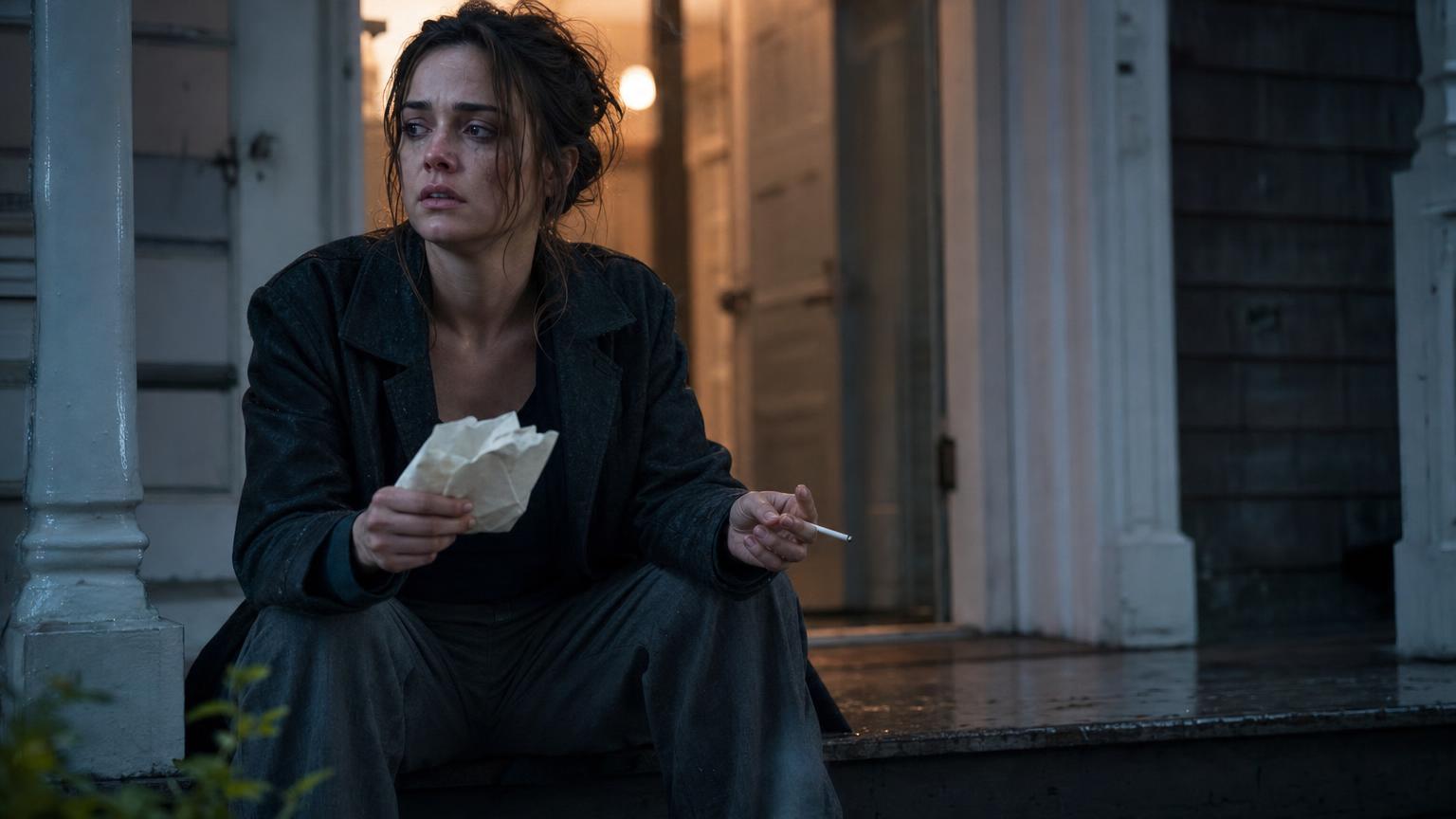
There's a specific kind of stuck that doesn't show up in grammar check. The sentences are clean. The dialogue works. You've even hit your pacing targets if you're the type to track them. And yet you read the chapter back and something's wrong with it — it drags, or it feels like whiplash, or beta readers say "nothing happens" about a chapter where, technically, three things happened.
This isn't a prose problem. It's a structure problem, and it's almost always the same one: you've written half of a pair that needs both halves to work. Novelist Jack Bickham and his mentor Dwight Swain called the pair scene and sequel, and once you can see it, you'll notice it — or its absence — in everything you read.
Here's the short version. A scene is a unit of action: a character wants something, runs into conflict, and fails to get it. A sequel is a unit of processing: the character reacts to that failure, wrestles with bad options, and decides what to do next. Readers need both. Scene without sequel feels frantic and hollow. Sequel without scene feels like nothing's happening. Most "off" chapters are missing one half entirely.
The Scene Half: Goal, Conflict, Disaster
A scene has three beats, and all three need to be on the page, or at least clearly implied.
Goal. Your character wants something specific when they walk into the scene — not a vague life aspiration, a concrete thing they're trying to get in the next few pages. Say Mara walks into her sister's apartment wanting to borrow her sister's car for a job interview three towns over. That's a goal you can track: does she get the car or not?
Conflict. Something opposes the goal. Maybe the sister needs the car herself. Maybe she's willing to lend it but wants to talk about their mother first, and Mara doesn't have time for that conversation. Conflict doesn't have to be a fight — it just has to be friction between what Mara wants and what she can actually get.
Disaster. This is the beat writers skip or soften, and it's the one that matters most. The scene should end with Mara not getting the car — or getting it at a cost that creates a new problem, like her sister insisting on coming along, which means Mara now has to explain that the interview is a lie. The disaster isn't a complication that makes the goal harder. It's a denial of the goal, full stop, or a twist that replaces it with a worse problem.
Why does this matter so much? Because resolution kills momentum and disaster creates it. If Mara gets the car cleanly, the scene closes a loop and the reader has no reason to keep reading. If Mara doesn't get it — or gets it in a way that makes things worse — the reader has to know what happens next. That's the entire mechanism of a page-turner, operating one scene at a time.
The Sequel Half: Reaction, Dilemma, Decision
Here's what a lot of writers do after a disaster: cut straight to the next scene. It feels efficient. It's also the single most common cause of pacing that reads as rushed or confusing rather than fast.
Readers need processing time. Not pages of it — sometimes a paragraph is plenty — but some space where the character absorbs what just happened before acting again. That space is the sequel, and it has its own three beats.
Reaction. The immediate emotional hit. Mara sits in her car in her sister's driveway, hands still on the wheel, furious and a little sick about the interview she's about to miss.
Dilemma. The options, and why none of them are good. She could call and beg for a later slot — humiliating, probably won't work. She could try to borrow a coworker's car — awkward, short notice. She could just not go — safe, but she's wanted this job for months. A real dilemma has no clean answer. If it did, there'd be no tension in the choosing.
Decision. She picks one. Say she decides to call the interviewer, lie about car trouble, and ask for forty-five minutes. That decision becomes the goal of the next scene — she walks into the next unit of action with something specific to chase, and the whole machine starts again.
Notice the shape: disaster ends one unit, decision begins the next. Sequel is the hinge between them. Skip it and the hinge is just gone — the reader gets yanked from one crisis straight into a new goal with no idea how the character feels about any of it.
What Happens When Writers Skip the Sequel
This is the more common failure, especially in drafts that are chasing pace. The logic feels sound: a disaster just happened, so drop straight into the next scene's action and keep things moving. Isn't that what thriller pacing is supposed to look like?
Not quite. What it actually produces is a string of crises with no emotional throughline — the reader can follow the events but can't feel them, because they never get a beat to register what any individual event cost the character. It reads less like momentum and more like a list. You end up with a book that's fast and somehow also exhausting, because every page sits at the same pitch of urgency with no valleys to make the peaks mean anything.
If you've gotten feedback like "I couldn't tell how she felt about that" or "it all blurred together," missing sequels are a good first suspect. The fix is rarely more plot — it's two or three sentences of reaction and decision-making dropped between the disaster and the next goal.
What Happens When Writers Skip the Scene
The opposite failure shows up in quieter drafts, often in chapters doing a lot of emotional or reflective work. The character thinks, remembers, feels — pages of real, well-observed interiority — but nothing is actually being pursued. There's no goal driving the chapter forward, so there's no conflict to generate a disaster, so there's nothing concrete for the sequel to be about.
This is the chapter that gets the beta reader comment "nothing happens," even when plenty of thinking and feeling happened. Readers aren't wrong to flag it — interiority needs a spine of action to hang on, or it stops reading as depth and starts reading as drift. If your deep POV work is strong but your chapters still feel stalled, check whether the character actually wants something specific in the scene, not just generally in the book.
The fix here is almost always to give the character a concrete, pursuable goal for the chapter — even a small one — so the reflection has something to push against.
Scene and Sequel Aren't Always Full Chapters
It's worth saying clearly: scene and sequel don't have to map one-to-one onto chapters. A scene can run three chapters if the conflict is big enough — a siege, a trial, a slow-burn argument that keeps escalating. A sequel can be two sentences.
Here's a compressed sequel doing its full job in one paragraph:
Mara didn't cry until she was three blocks away. Fine — call and beg, borrow a car she didn't have, or let the interview go and keep temping forever. She pulled over, dialed the number before she could talk herself out of it, and asked for forty-five minutes.
Reaction (didn't cry until she was clear of the house), dilemma (three bad options, stated fast), decision (the call). That's maybe four seconds of reading time, and it's structurally complete. Sequel doesn't need length. It needs to happen.
A Quick Way to Audit a Draft Chapter
Print a weak chapter, or open it somewhere you can comment in the margins, and label it cold:
- Where's the goal — what does the POV character want in this specific chapter?
- Where's the conflict — what's in the way?
- Where's the disaster — does the chapter actually deny the goal, or does it quietly let the character succeed and sap the tension?
- Where's the reaction — is there any space where the character processes what just happened?
- Where's the dilemma — are the options genuinely bad, or is the "choice" obvious?
- Where's the decision — does it hand the next chapter its goal?
If you find a beat you can't label, you've found your fix. This same audit scales up well if you're checking a whole manuscript rather than one chapter — running your draft through a structure checker like the ones in our free tools can help you spot entire stretches where goals go missing or disasters quietly turn into resolutions, chapter after chapter, without you noticing the pattern.
It also pairs well with earlier outlining work — if you outlined your novel fast and some chapters still feel thin, this is usually why: the outline had a goal and an event, but not necessarily a disaster or a sequel.
Try This Now
Pick one chapter you already suspect is weak — the one you skim past when you reread, or the one a beta reader flagged without being able to say why.
- Label all six beats in the margin: goal, conflict, disaster, reaction, dilemma, decision.
- Find the one that's missing or underwritten. It's usually disaster (too soft, reads as a complication rather than a denial) or sequel (skipped entirely in favor of jumping to the next goal).
- Rewrite just that beat. Don't touch the rest of the chapter yet — see if adding three sentences of reaction, or hardening a resolution into an actual disaster, fixes the feeling on its own.
- Read the chapter again. If it still feels off, check the adjacent beat — a weak decision often means the dilemma wasn't actually a dilemma.
If you get to the rewrite step and want a fast first pass at the missing beat — a reaction paragraph, a sharper disaster, a decision that sets up the next goal cleanly — Just Write can draft a version to react against, so you're editing instead of staring at a blank spot in your own chapter.